
Multi-chain
One wallet can face several different network rules
Assets with similar names can exist on different networks. Similar address formats do not guarantee direct transfer compatibility.
Understand multi-chain networks →imtoken · Multi-chain Digital Wallet
imtoken brings wallet operations and the knowledge behind them into one practical path. Learn how to choose a network, receive and send assets, connect to DApps, review signatures and token approvals, and protect wallet secrets. The goal is not to stack technical terms, but to make addresses, networks, permissions and transaction outcomes easier to verify before you act.
Start with a task
Wallet capabilities
The interface is a way to understand on-chain state, not a replacement for the network itself. Asset location, approval targets and transaction status should remain verifiable.
Explore Wallet & Assets →Start by identifying the asset network, address compatibility and confirmation status.
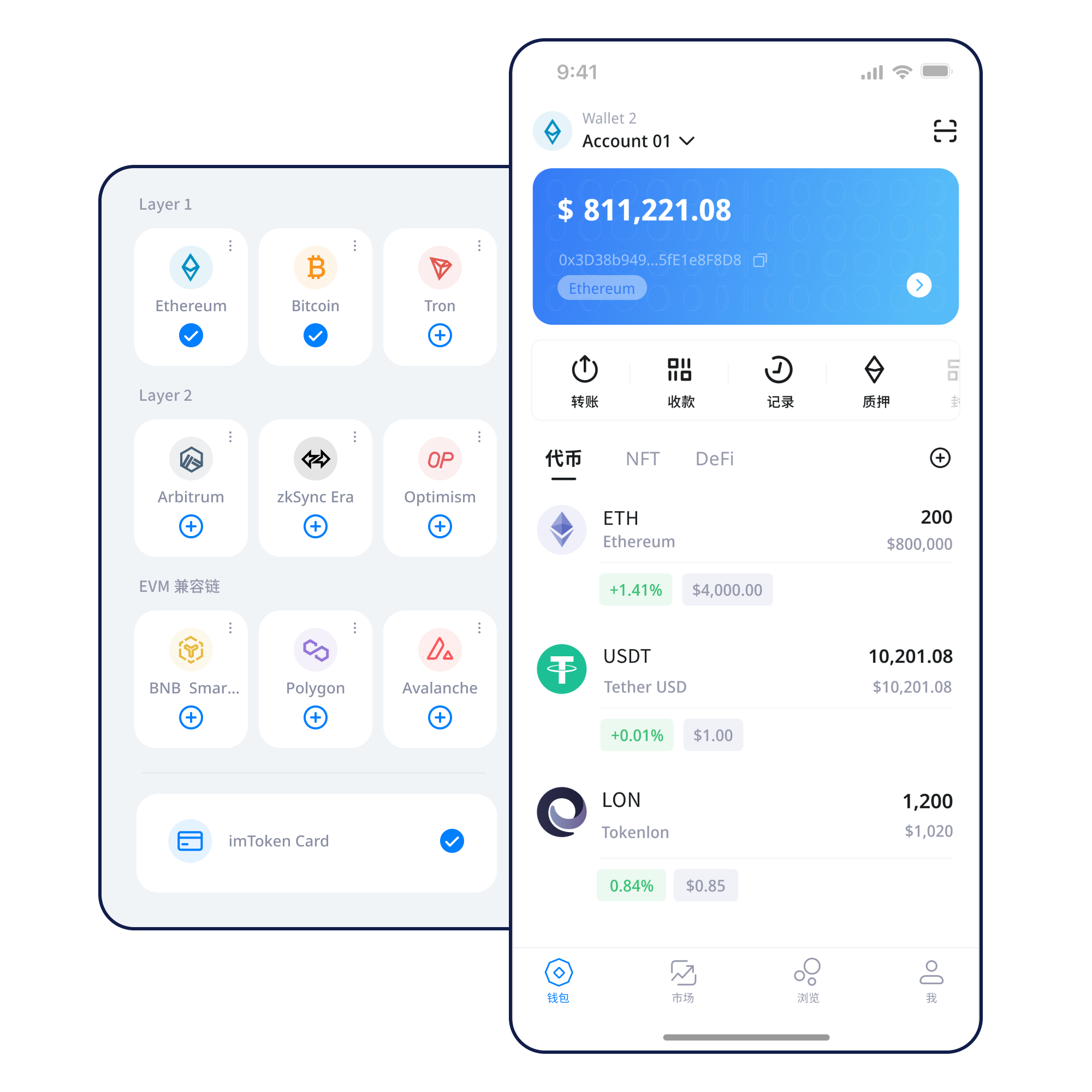
View assets, manage networks, review transaction history and enter DApp workflows from mobile.
Address, network, amount, gas and transaction hash create a traceable transaction path.
Review transfer checks →Establish browser sessions, review account requests and approvals, and disconnect sessions that are no longer needed.
Understand web connections →
Seed phrases and private keys remain under user control. Official personnel will never ask for them.
Multi-chain
Assets with similar names can exist on different networks. Similar address formats do not guarantee direct transfer compatibility.
Understand multi-chain networks →
Public chains
Transactions propagate through the network before consensus includes them in blocks. Explorers provide an independent way to verify status.
Learn public-chain basics →
EVM
EVM networks can share address formats while using different chain IDs, gas assets, RPC settings and contract deployments.
Explore EVM networks →
Layer 2
Layer 2 systems increase capacity, while bridges and settlement mechanisms can add waiting and confirmation stages.
Learn Layer 2 basics →Gas & confirmations
Gas reflects execution resources. Congestion and contract complexity can affect both cost and the time a transaction takes to confirm.
Understand gas and confirmations →Wallet path
Use the download entry point and avoid unknown installation sources.
Understand the difference and confirm who controls the account.
Keep the seed phrase offline and never share a private key.
Match the asset network, destination and gas asset.
Check address, network and amount; a small test can help in unfamiliar situations.
Verify the result with a transaction hash and remove permissions you no longer need.
Web3 & DApps
Connecting a wallet does not mean every signature should be accepted. Review the domain, account, contract target and permission scope each time.
Open the Web3 guide →Security
Users are responsible for their seed phrases and private keys, and official personnel will never request those secrets. Verify the address, network and amount before a transfer. Review the exact signature or approval target before interacting with a DApp. Shared devices, public networks and remote-control sessions deserve additional caution. On-chain transactions are generally not reversible by a wallet alone, and third-party applications or smart contracts can introduce technical and permission risk.
Open the Security Center →Academy · Featured introduction
An address identifies where assets are sent or received. A seed phrase and private key relate to wallet control. The network determines where a transaction executes, while gas prices execution resources. A transaction hash lets you trace status. DApp connections, signatures and approvals introduce another layer of permissions. Understanding these concepts first makes later requests easier to judge.
Start with Getting Started →Ethereum & PoS
Ethereum PoS uses validators to participate in network consensus. Reward sources, validator status and the withdrawal or exit process can all change the user experience. Rewards are not fixed and exits may involve waiting.
Learn Ethereum staking →Updates
A clearer route through wallet operations, networks, Web3 and security.
Security NoticeNever send a seed phrase, private key or verification codeStop any request for wallet secrets and independently verify the source.
NetworkIdentify the asset network before cross-network actionsSimilar asset names can use different contracts and gas assets.
ServiceStaking knowledge now emphasizes risk boundariesRewards change, exits can wait, and validators or contracts involve technical risk.
FAQ
No. Official personnel will never request a seed phrase, private key or verification code.
No. Connection usually creates a session; signatures and approvals must be reviewed separately.
Network demand, transaction complexity and protocol rules can all affect fees.
It can be used in a block explorer to verify status, blocks and address details.
Cross-layer systems may involve bridges and distinct settlement or confirmation stages.
No. Rewards, network conditions, penalties, exit waits and asset prices can all change.
imtoken
The download entry point remains centralized. Before using a wallet, understand backup, network selection, transfers and approvals.